HIGH END DRUM SCAN SERVICE, MUSEUM QUALITY SCANS
Due to our expertise, photographers, artists, and museums use our service, including the Van Gogh Museum, Stedelijk Museum Amsterdam, Kunsthal, Institut Néerlandais Paris, and Huis Marseille.
We work closely together with Arjan Raadt, master printer at 'De Verbeelding", a highly dedicated photo lab near Amsterdam (Purmerend). He works for all major museums and artists: www.deverbeelding.nl
Drum Scan Service is located near the heart of Amsterdam.
The process
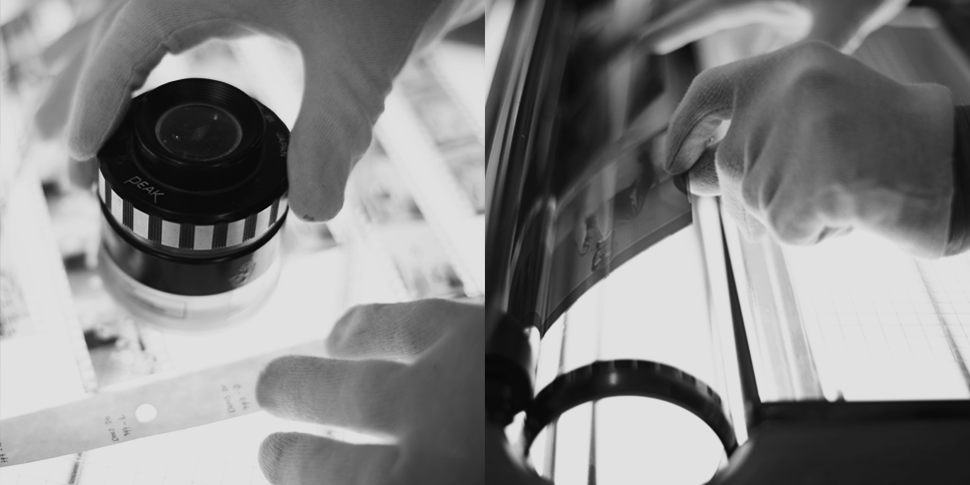
Each negative or slide receives our full attention, creating an optimal basis for a sublime print. The scan is an accurate representation of the original. We use Aztek DPL, the best drum scanner software, for both transparencies and negatives. For each negative or transparency, a unique film characteristic is created, which guides the scanner for analog-to-digital conversion. This method is unique and results in an exceptional quality scan. Only in this way all the information from your film will be optimally digitized. The Kodak corporate test lab in the US also uses this software. For quality reasons, we standardly scan in 16 bit. Our many years of experience ensure the highest possible quality. For more information: Why drum scans.
If you have any questions, feel free to contact us.
Aldwin Izarin and Hans van der Linde
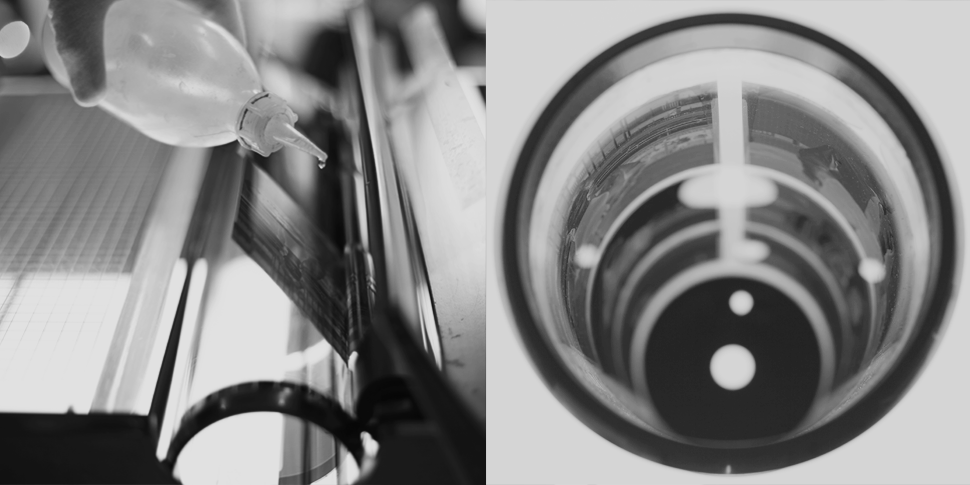
The reprinting of Rineke Dijkstra's Beach Portraits - Monica Marchesi [Stedelijk Museum] visits our studio to learn more about our drumscanning process
Monica Marchesi, paper conservator Stedelijk Museum Amsterdam, published a paper about the reprinting process of the beach portraits made by Rineke Dijkstra due to the aging of the original chromogenic colour prints. Monica recently visited our studio to learn more about the thechnical aspects of our drumscanning process and the benefits of inkjet prints.
The Working / scanning process
In close cooperation with Rineke Dijkstra, we initially made low-resolution scans of the negatives provided by the artist. An original C print was given to the scan operator for reference purposes.
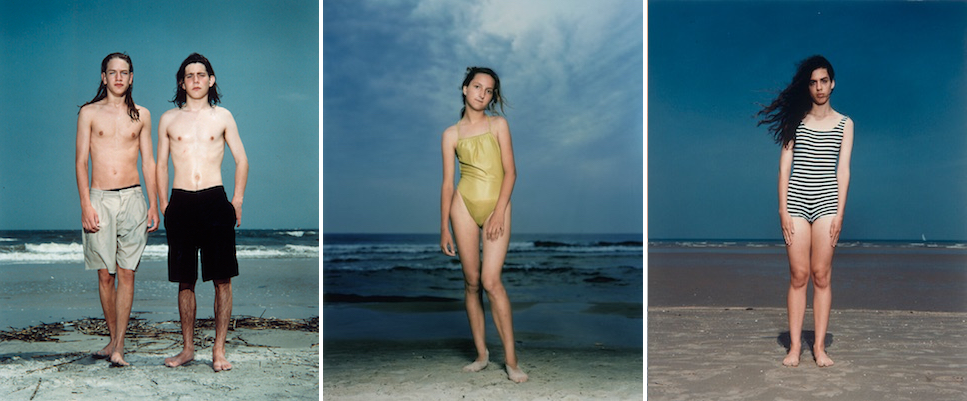
Hilton Head Island (SC) US, June 27, 1992. Kolobrzeg, Poland, July 26, 1992. De Panne, Belgium, August 7, 1992. © Rineke Dijkstra.
The scanning process is highly specialized for each negative that needs to be digitized. For each negative, a so-called CMS file is generated, containing information how the negative should be scanned by the drum scanner in relation to contrast, color, aperture, and size.
The low-resolution scan was then given to the artist and the master printer for evaluation. After approval, the high-resolution scan could be made according to the exact specifications used for the low-resolution scan.
The high-resolution scan was then sent to the lab for additional post-production and preparation for printing. In the scanning process, it is crucial to scan the negative close to the original (in this case, the original C print) while leaving enough latitude to the drum scan (contrast) for additional adjustments to suit the taste (contrast, color) of the artist. This approach provides the master printer with the option for extra adjustments in post-production before printing the file. Read Article.
Maria Austria Insitute / FOAM, “Paul Huf – Golden Years”
Rerprint in co-operation with the Maria Austria Institute. Inkjet print 40 x 40 cm. Edition of 30, numbered (certificat).
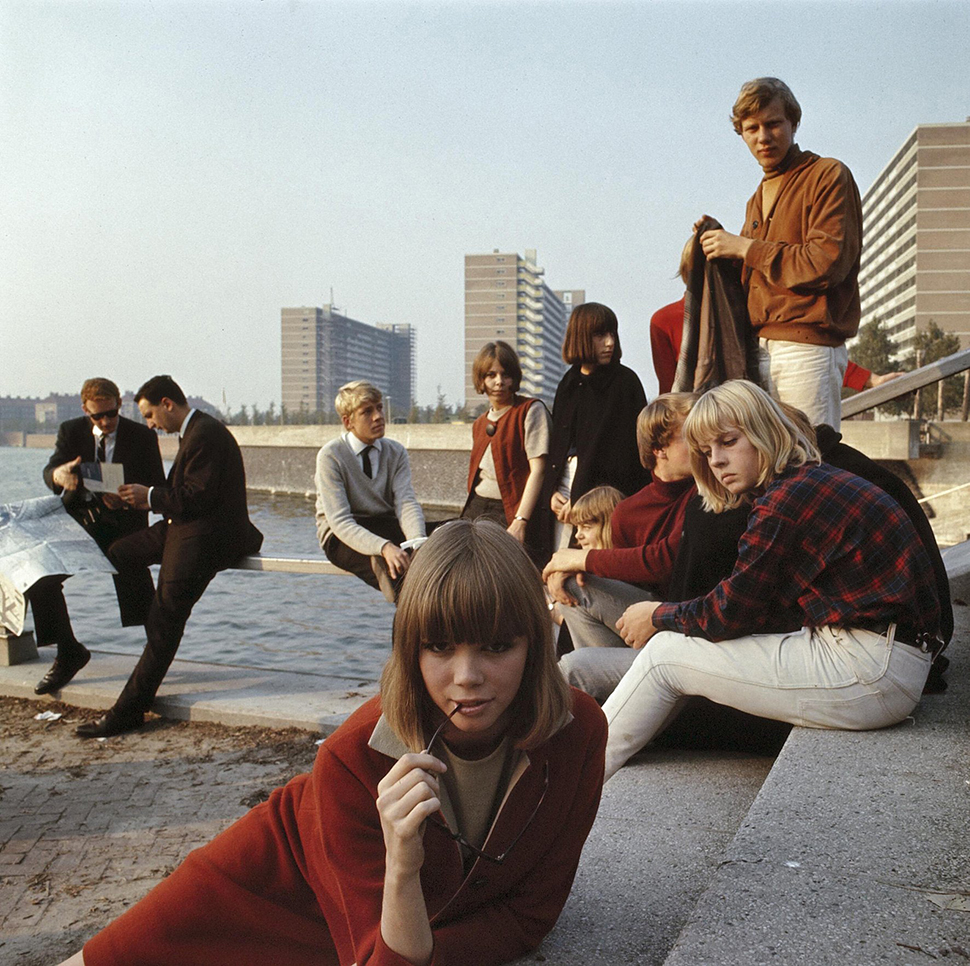
© Paul Huf / MAI
Books
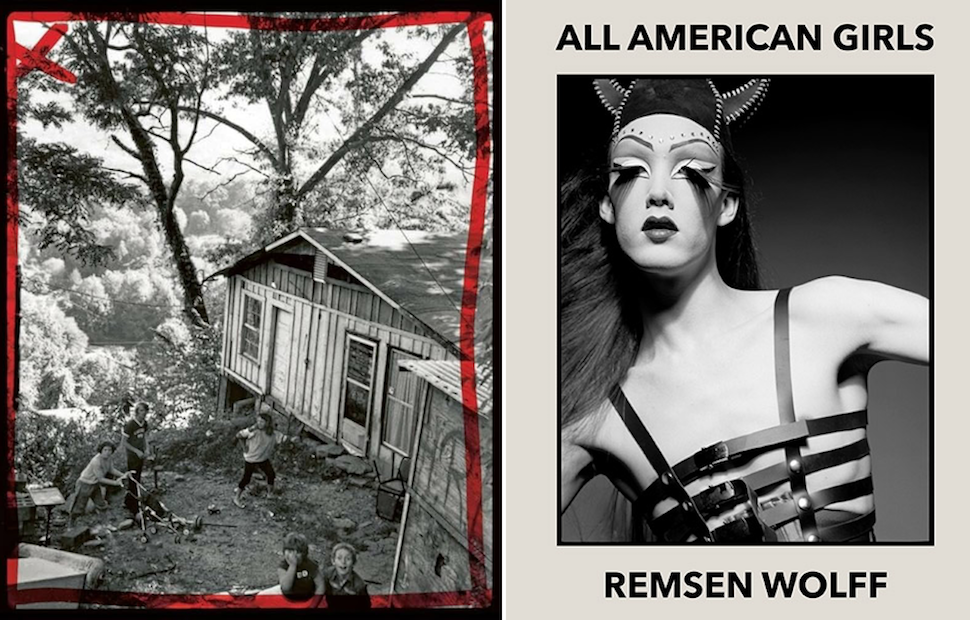
Left: Gluckauf, © Bertien van Manen. Right: All American Girls, © Remsen Wolff

Left: Down and Out in the South, © Jan Banning. Right: 80plus Joden, © Elsbeth Struijk van Bergen.
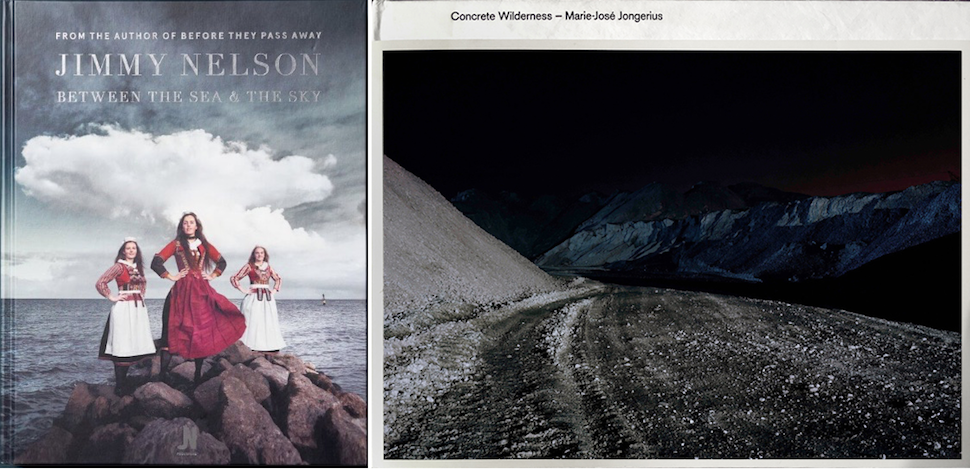
Left: Between the sea & the sky - © Jimmy Nelson. Right: Concrete Wilderness, © Marie Jose Jongerius.